
Ceramics are increasingly favored in renewable energy applications due to their exceptional properties. These materials are known for their high-temperature resistance, durability, and electrical and thermal insulating capabilities. These attributes make ceramics ideal for use in harsh environments and demanding applications, where reliability and efficiency are paramount.
1. Solar Panels and Photovoltaics
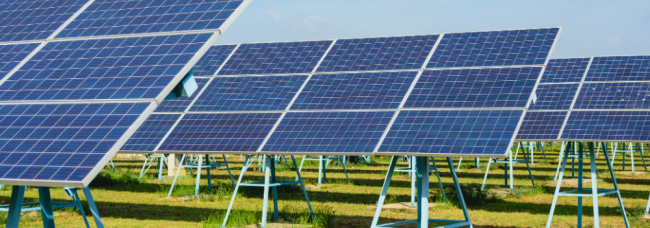
Ceramics play a vital role in solar energy, particularly in the production of solar panels and photovoltaic cells. Ceramic materials are used in solar cells to enhance efficiency and longevity. Advances in ceramic coatings have further improved the performance of solar panels by increasing their ability to absorb sunlight and convert it into electricity more efficiently.
2. Thermal Energy Storage
In concentrated solar power (CSP) systems, ceramics are used for thermal energy storage. These systems rely on ceramic materials to store heat generated from sunlight, which can then be converted into electricity when needed. Innovations in ceramic materials for thermal energy storage have significantly improved the efficiency and reliability of CSP systems, making them more viable for large-scale energy production.
3. Battery Technologies
Ceramics are revolutionizing energy storage technologies, particularly in battery systems. Ceramic solid-state batteries offer numerous advantages, including enhanced safety, higher energy density, and improved performance. These batteries use ceramic electrolytes, which are more stable and less prone to leakage compared to traditional liquid electrolytes.
4. Supercapacitors
Ceramic materials are also used in the development of supercapacitors, which are energy storage devices known for their high capacity and efficiency. The use of ceramic engineering in supercapacitors improves their performance, making them suitable for applications requiring rapid charge and discharge cycles.
5. Turbine Efficiency
In hydroelectric power generation, ceramics are used to improve turbine efficiency. Ceramic coatings reduce friction between moving parts, enhancing the overall efficiency of the turbines. This leads to increased energy output and reduced operational costs.
6. Durability in Water Environments
Hydroelectric applications demand materials that can withstand constant exposure to water and other environmental elements. Ceramics’ resistance to erosion and corrosion makes them ideal for use in hydroelectric turbines, ensuring durability and long-term performance.
7. Turbine Components
Wind turbines benefit from the incorporation of ceramic materials in various components. Ceramic bearings and gears are used in turbine systems to enhance performance and longevity. The superior hardness and wear resistance of ceramics reduce maintenance needs and extend the operational life of wind turbines.

8. Wear and Corrosion Resistance
Ceramic coatings are applied to wind turbine components to protect them from wear and corrosion caused by harsh environmental conditions. These coatings help maintain the structural integrity and efficiency of wind turbines, ensuring consistent energy production even in extreme weather.


