Ceramic materials are indispensable to human life and modern construction. Following metals and non-metallic materials, they are one of the most important inorganic non-metallic materials of interest. They combine the advantages of both metals and polymers. Through continuous modification, ceramics have distinguished themselves in the materials field with their exceptional performance, earning them considerable attention and poised to play a crucial role in future social development.
Ceramic materials are indispensable to human life and modern construction. Following metals and non-metallic materials, they are one of the most important inorganic non-metallic materials of interest. They combine the advantages of both metals and polymers. Through continuous modification, ceramics have distinguished themselves in the materials field with their exceptional performance, earning them considerable attention and poised to play a crucial role in future social development. Oxide ceramics, in particular, offer high hardness, wear resistance, and corrosion resistance, particularly due to their resistance to oxidation, making them a specialized structural ceramic material with widespread application.
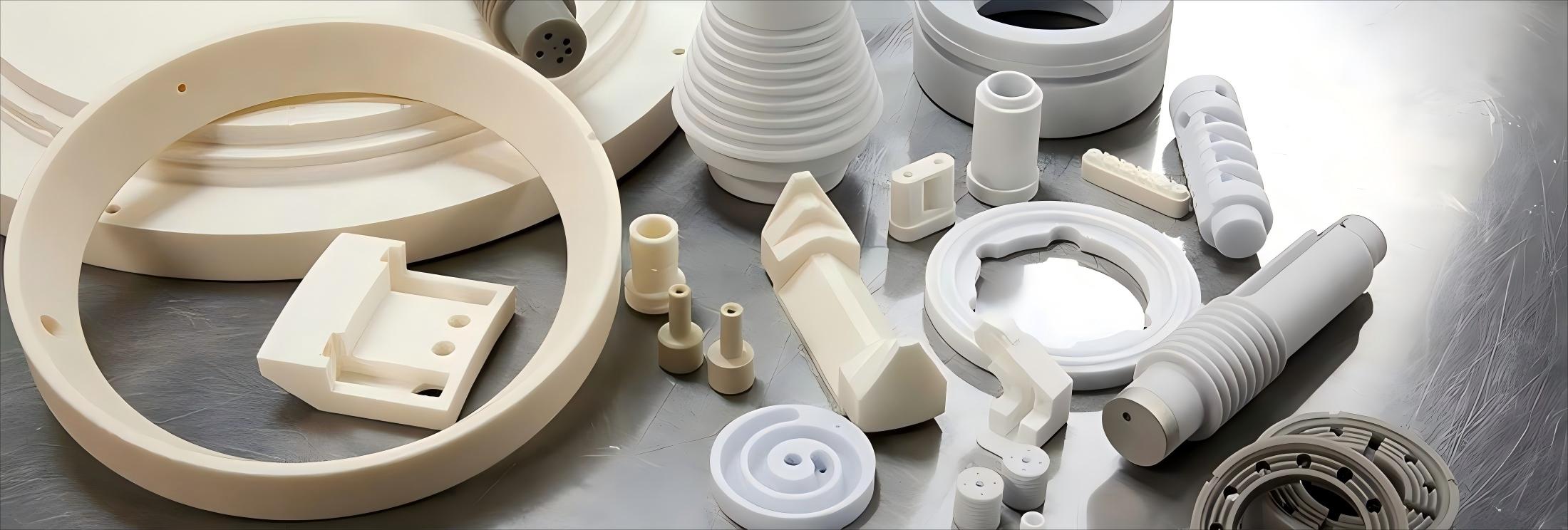
Oxide ceramics primarily include magnesium oxide ceramics, aluminum oxide ceramics, beryllium oxide ceramics, zirconium oxide ceramics, tin oxide ceramics, silicon dioxide ceramics, and mullite ceramics. Alumina and zirconium oxide ceramics are the most commonly used.
Al2O3 ceramics are resistant to high temperatures and have low thermal conductivity. They can be used as thermal insulation materials, such as missile nozzle liners, thermocouple protectors, and jet flame controllers. They can also be used in high-temperature furnace tubes and crucibles. Transparent alumina ceramics can also be used in sodium lamps. Al2O3 ceramics also have a wide range of uses in chemical applications, such as ceramic chemical filler balls, inorganic microfiltration membranes, and corrosion-resistant coatings. ZrO2 ceramics, due to their high melting point, low thermal conductivity, and high oxidation resistance, are used as high-temperature ceramics in refractories and furnace linings. Al2O3 and ZrO2 can also be used to form ceramic membranes for fine filtration of various liquids in hydrometallurgical processes, and foam ceramic filters for filtering molten metal in casting processes.
In addition to these applications, oxide ceramics now play a crucial role in another important field: semiconductor equipment. Semiconductor equipment utilizes a large number of precision ceramic components, accounting for over 10% of the total cost. Oxide ceramics such as alumina and zirconia are commonly used ceramic materials for these components.
For example, alumina ceramics are a major source of wafer contamination in semiconductor etching equipment. The extent to which plasma etching affects these materials determines wafer yield, quality, and process stability. Therefore, researching and developing highly etch-resistant chamber materials is a significant challenge for the semiconductor integration industry and plasma etching technology. Currently, high-purity Al2O3 coatings or Al2O3 ceramics are primarily used as protective materials for etching chambers and chamber components. In addition to the chamber itself, alumina ceramics are also used in plasma equipment's gas nozzles, gas distribution plates, and wafer retaining rings. Furthermore, in wafer polishing processes, alumina ceramics are widely used in polishing plates, polishing pad alignment platforms, and vacuum chucks.
Zirconia ceramics also have important applications in semiconductor equipment, such as ceramic splitters, which are essential tools in the wire bonding process. Some manufacturers' ceramic splitters are primarily composed of zirconium oxide reinforced with alumina, resulting in a uniform and dense microstructure with a density of up to 4.3g/cm³. The high content of tetragonal zirconium oxide and the uniform and dense microstructure give these zirconium-doped ceramic splitters excellent mechanical properties, reducing tip wear and the need for replacement during wire bonding.
In short, the application of oxide ceramics in semiconductor equipment is far more extensive than we might imagine. Coincidentally, given the current complex international trade landscape, the urgent needs of the semiconductor equipment and materials industry will drive the research and development and production of ceramic components for domestic semiconductor equipment, presenting both opportunities and challenges.


